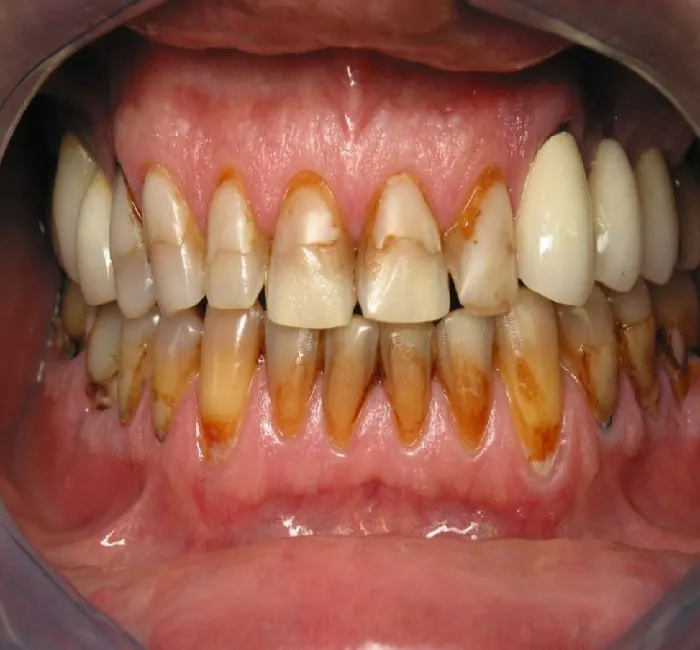
What Causes Tooth Discolouration?
Tooth discolouration is a common concern that can affect the appearance of your smile. Teeth may become stained, yellowed or darkened over time due to a variety of factors. Understanding the cause of discolouration is an important first step in determining the most appropriate approach to management.
At Divine Dental Care in Croydon, we assess the type and cause of tooth discolouration before recommending any treatment, as different types of staining may respond to different approaches.
Common Causes
Tooth discolouration can be broadly categorised as extrinsic (surface staining) or intrinsic (within the tooth structure):
- Food and beverages: tea, coffee, red wine and deeply pigmented foods can cause surface staining over time
- Smoking and tobacco use: tar and nicotine create stubborn brown or yellow stains on the tooth surface
- Ageing: as enamel wears with age, the yellowish dentine layer beneath becomes more visible
- Medications: certain antibiotics (such as tetracycline) taken during tooth development can cause intrinsic discolouration, as can some antihistamines and blood pressure medications
- Fluorosis: excessive fluoride exposure during childhood can cause white spots or streaks on the teeth
- Dental trauma: injury to a tooth can cause it to darken as the nerve inside responds to damage
- Poor oral hygiene: inadequate brushing and flossing allows plaque and staining compounds to accumulate
Treatment Options for Discoloured Teeth
The approach to managing tooth discolouration depends on the type and severity of staining. Options that may be discussed during your consultation include:
- Professional cleaning: removal of surface staining and tartar buildup through a scale and clean can noticeably improve tooth colour
- Teeth whitening: professional whitening treatments can help lighten extrinsic and some intrinsic staining under dental supervision
- Dental veneers: thin porcelain shells bonded to the front of teeth can address discolouration that does not respond to whitening, particularly intrinsic staining
- Composite bonding: tooth-coloured resin applied to the tooth surface can help mask localised discolouration
- Dental crowns: for teeth with significant discolouration combined with structural concerns, a crown may provide both functional and aesthetic improvement
Maintaining Your Results
Regardless of the treatment approach, ongoing care can help maintain the results. Some general strategies include:
- Regular brushing and flossing to prevent new staining from building up
- Limiting consumption of staining foods and beverages, or rinsing with water after consuming them
- Avoiding or reducing tobacco use
- Attending regular dental check-ups and professional cleans at our Croydon practice
If you are concerned about the colour of your teeth, contact Divine Dental Care in Croydon to arrange an assessment. Our team can help identify the cause and discuss suitable options for your situation.