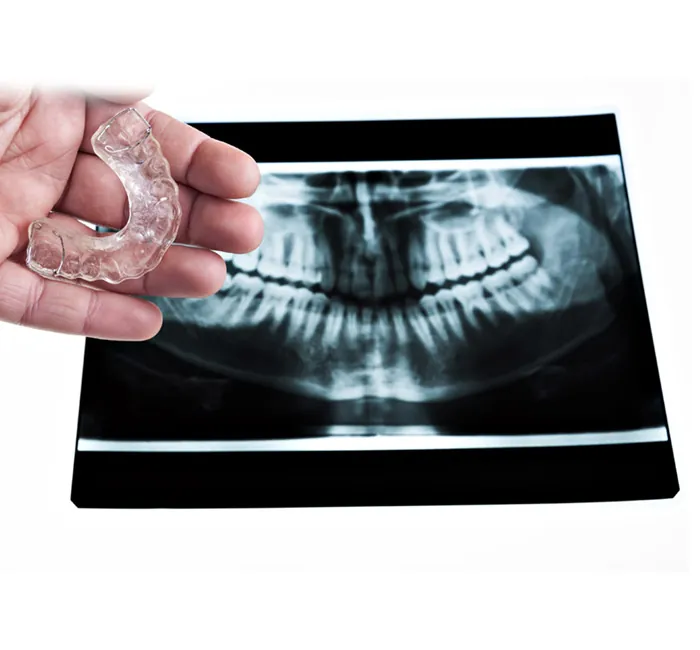
Why Dental X-Rays Are Important
Dental X-rays are an essential diagnostic tool that allow your dentist to identify problems not visible during a standard clinical examination. Many dental conditions develop in areas that cannot be seen with the naked eye, and radiographs provide the detailed information needed for accurate diagnosis and treatment planning.
Conditions commonly detected through dental X-rays include:
- Decay between teeth or beneath existing fillings
- Bone loss associated with gum disease
- Infections or abscesses at the roots of teeth
- Cysts or other pathology within the jawbone
- Impacted teeth, including wisdom teeth that have not erupted
- Developmental abnormalities in children and adolescents
Without X-rays, significant dental issues may go undetected until they become more advanced and more difficult to treat. Regular radiographic assessment is a key component of comprehensive dental care at our Croydon dental practice.
Book a check up and X-rays: call (03) 9725 8040 or book online. We are a preferred provider for BUPA, HCF, Medibank and all major health funds.
Types of Dental X-Rays
Several types of dental X-rays are used depending on the clinical information required. Your dentist will select the appropriate type based on your individual needs.
- Periapical X-rays: provide a detailed view of individual teeth from crown to root tip, including the surrounding bone. Used to assess infections, root fractures, and bone levels around specific teeth
- Bitewing X-rays: show the upper and lower teeth biting together and are commonly used to detect decay between teeth. Often taken as part of routine check-up appointments
- OPG (panoramic) X-rays: capture a wide view of the entire mouth in a single image, including all teeth, the jawbone, jaw joints, and sinuses. Useful for overall assessment and treatment planning
- Lateral cephalometric X-rays: a side-on view of the head used primarily for orthodontic assessment and planning, showing the relationship between the teeth, jaws, and skull
Our Croydon practice uses digital radiography, which offers several advantages over traditional film-based systems.
Digital X-Rays and Radiation Safety
Digital dental X-rays use significantly less radiation than older film-based X-ray systems. The images are captured electronically and displayed on screen almost immediately, allowing your dentist to review and discuss findings with you during your appointment.
Digital images can also be enlarged, adjusted for contrast, and stored securely in your dental records for future comparison.
The frequency of dental X-rays is determined by your individual clinical needs. Your dentist will consider factors such as your dental history, current oral health, and risk of developing dental disease when deciding how often X-rays are appropriate. Protective lead aprons are used during imaging to minimise radiation exposure to other parts of the body.
If you have any questions about why a particular X-ray has been recommended, your dentist at Divine Dental Care will explain the clinical reasoning before proceeding.