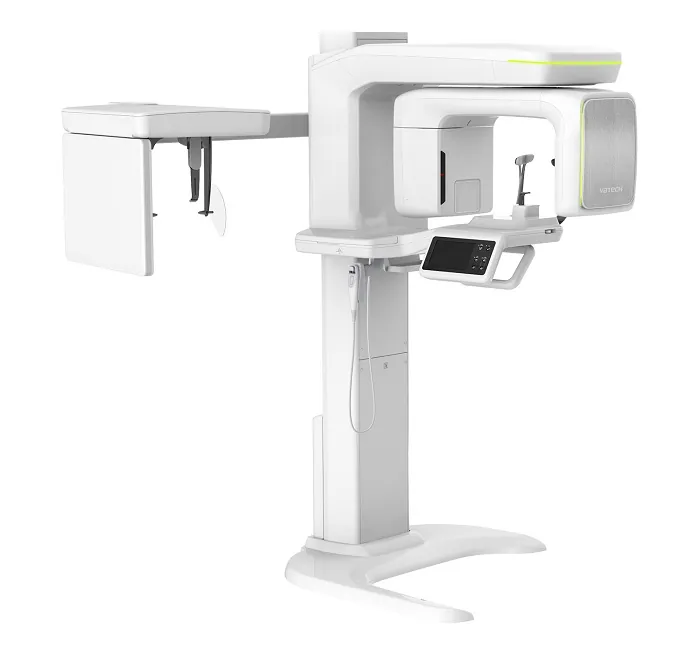
What Is Cone Beam CT Imaging
Cone beam computed tomography (CBCT) is a specialised 3D imaging technology used in dentistry to capture detailed views of your teeth, jawbone, nerves, and surrounding soft tissues. Unlike standard 2D dental X-rays, a CBCT scan produces a three-dimensional image that allows your dentist to assess structures from multiple angles and cross-sections.
This additional level of detail can be valuable in complex diagnostic and treatment planning situations where a conventional X-ray may not provide sufficient information. CBCT imaging is available in-house at our Croydon dental practice, allowing your dentist to obtain the images needed without referring you to an external imaging centre.
Book a cone beam CT scan: call (03) 9725 8040 or book online. We are open Monday to Friday 8:30am to 6:00pm and Saturday 8:30am to 5:00pm.
When CBCT May Be Used
Your dentist may recommend a CBCT scan when more detailed imaging is needed to plan or assess a specific dental concern. Common clinical applications include:
- Dental implant planning: assessing available bone volume, bone density, and the precise location of nerves and sinuses before implant placement
- Impacted or complex wisdom teeth: evaluating the position of impacted teeth relative to nerves and adjacent structures
- Root canal complications: identifying additional or curved root canals, fractures, or persistent infections
- Jaw pathology assessment: detecting cysts, tumours, or other abnormalities within the jawbone
- Orthodontic planning: analysing tooth positions, root angulations, and skeletal relationships in three dimensions
- Trauma assessment: evaluating fractures to the teeth, roots, or jawbone following dental or facial injuries
The scan itself is quick, typically taking between 10 and 40 seconds. You remain still while the imaging arm rotates around your head to capture the data. The 3D images are available immediately for your dentist to review at our Croydon clinic.
Safety and Radiation
CBCT imaging does involve a higher radiation dose compared to standard dental X-rays such as periapical or bitewing images. However, the radiation exposure from a CBCT scan is significantly lower than that of a medical CT scan.
Because of the increased radiation relative to conventional dental imaging, CBCT is only recommended when the additional diagnostic information it provides is clinically necessary and cannot be obtained through standard X-rays alone. Your dentist will discuss whether CBCT imaging is appropriate for your particular situation and explain the reasons for the recommendation.
If you have any questions or concerns about the imaging process, your dentist at Divine Dental Care will be happy to address them before proceeding.