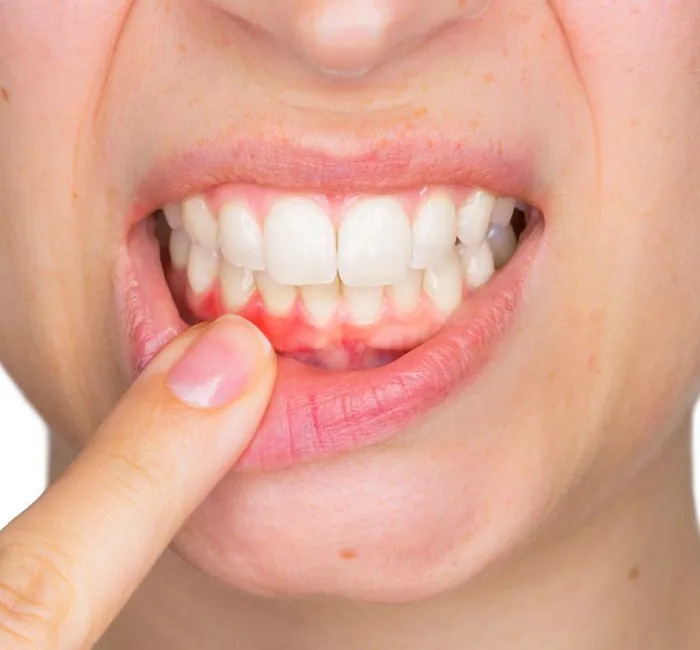
What Is Gum Disease
Gum disease is an infection of the tissues that surround and support your teeth. It is one of the most common oral health conditions and, when left untreated, can lead to serious complications including tooth loss.
There are two main stages of gum disease:
Gingivitis
Gingivitis is the early stage of gum disease. It occurs when plaque builds up along the gumline, causing the gums to become inflamed, red, and prone to bleeding. The good news is that gingivitis is generally reversible with professional treatment and improved oral hygiene at home.
Periodontitis
If gingivitis is not addressed, it can progress to periodontitis. At this stage, the infection spreads below the gumline and begins to damage the bone and connective tissues that hold your teeth in place. Periodontitis can result in gum recession, bone loss, and eventually the loosening or loss of teeth. While the damage from periodontitis cannot be fully reversed, it can be managed and stabilised with appropriate treatment.
Signs and Symptoms
Gum disease can develop gradually, and you may not notice symptoms in the early stages. Common signs to watch for include:
- Red, swollen, or tender gums
- Bleeding when brushing or flossing
- Persistent bad breath that does not improve with brushing
- Receding gums or teeth that appear longer than before
- Loose or shifting teeth
- Pus between the teeth and gums
If you notice any of these symptoms, we recommend scheduling an appointment so your dentist can assess the health of your gums.
Causes and Risk Factors
Gum disease is primarily caused by the buildup of bacterial plaque on the teeth, but several factors can increase your risk:
- Plaque and tartar buildup: when plaque is not removed through regular brushing and flossing, it hardens into tartar, which can only be removed by a dental professional
- Poor oral hygiene: inconsistent brushing and flossing allows bacteria to accumulate along the gumline
- Smoking and tobacco use: smoking significantly increases the risk of gum disease and can reduce the effectiveness of treatment
- Diabetes: people with diabetes are more susceptible to infections, including gum disease
- Hormonal changes: pregnancy, puberty, and menopause can make gums more sensitive and vulnerable to inflammation
- Certain medications: some medications reduce saliva flow or cause gum tissue overgrowth, which can contribute to gum disease
- Genetic predisposition: some individuals may be more susceptible to gum disease regardless of their oral hygiene habits
Treatment at Divine Dental Care
At our Croydon practice, we offer a range of treatments to address gum disease depending on its severity. Our approach focuses on removing the infection, managing the condition, and supporting you with ongoing care.
Professional Cleaning
For early-stage gum disease, a professional clean may be all that is needed. Your dentist or hygienist will remove plaque and tartar from above and below the gumline, helping to reduce inflammation and allow the gums to heal.
Scaling and Root Planing (Deep Cleaning)
For more advanced cases, scaling and root planing may be recommended. This involves carefully removing plaque and tartar from beneath the gumline and smoothing the root surfaces of the teeth. Smoothing the roots helps the gums reattach to the teeth and makes it more difficult for bacteria to accumulate in the future.
Ongoing Maintenance
Gum disease requires consistent management. After initial treatment, your dentist may recommend more frequent check-ups and professional cleans to monitor your gum health and prevent recurrence.
Oral Hygiene Coaching
Our team will work with you to develop an effective daily oral hygiene routine. This includes guidance on brushing technique, flossing, and any additional tools that may help you maintain healthy gums at home.
Referral to a Periodontist
In cases of severe or complex gum disease, we may refer you to a periodontist, a specialist who focuses specifically on the treatment of gum and bone conditions. We will coordinate your care to ensure continuity of treatment.
Prevention
Gum disease is largely preventable with good oral care habits. To help protect your gums:
- Brush your teeth twice a day with a soft-bristled toothbrush
- Floss daily to remove plaque from between your teeth and along the gumline
- Attend regular dental check-ups and professional cleans
- Avoid smoking and tobacco products
- Eat a balanced diet and limit sugary snacks and drinks
Regular visits to our Croydon clinic allow us to detect early signs of gum disease and address them before they progress. If it has been a while since your last dental check-up, we encourage you to book an appointment with our team.