What is Bruxism?
Bruxism is the involuntary grinding, clenching, or gnashing of the teeth. It can occur during sleep (nocturnal bruxism) or while awake (awake bruxism), and many people are completely unaware they are doing it until symptoms begin to appear.
Sleep bruxism is particularly common because it happens unconsciously. It is often a partner or family member who first notices the sound of grinding at night. Awake bruxism tends to involve clenching rather than grinding and is frequently linked to periods of concentration, stress, or tension.
At Divine Dental Care in Croydon, we regularly see patients who have been grinding their teeth without realising it. Many discover the habit only after dental wear or jaw discomfort brings them in for a check-up.
Signs and Symptoms of Bruxism
Bruxism can present in a number of ways. Common signs and symptoms include:
- Worn, flattened, or shortened teeth
- Jaw pain, stiffness, or tenderness: especially upon waking
- Frequent headaches, particularly in the morning
- Increased tooth sensitivity to hot or cold
- Chipped, cracked, or fractured teeth
- Earache or a sensation of fullness in the ears
- Disrupted sleep: for you or your partner
If you are experiencing any of these symptoms, it is worth having your teeth and jaw assessed. Early identification can help prevent further damage.
Causes and Risk Factors
Bruxism does not have a single cause. It is often the result of a combination of factors, which may include:
- Stress and anxiety: emotional tension is one of the most commonly associated factors, particularly for awake bruxism
- Sleep disorders: conditions such as obstructive sleep apnoea are frequently linked with nocturnal bruxism
- Misaligned bite: when the upper and lower teeth do not come together evenly, it can contribute to grinding or clenching
- Lifestyle factors: high caffeine intake, alcohol consumption, and smoking have been associated with increased bruxism
- Certain medications: some antidepressants and other medications may contribute to teeth grinding as a side effect
Understanding the contributing factors is an important step in managing the condition effectively.
Effects of Untreated Bruxism
Left unmanaged, bruxism can lead to progressive dental and jaw problems over time. Potential consequences include:
- Tooth damage: persistent grinding can wear through enamel, weaken tooth structure, and increase the risk of cracks or fractures that may require crowns or other restorative work
- Temporomandibular joint (TMJ) disorders: chronic clenching places strain on the jaw joints, potentially leading to pain, clicking, limited opening, or difficulty chewing
- Chronic pain: ongoing headaches, facial pain, and neck tension can develop when grinding is not addressed
- Need for extensive dental treatment: significant tooth wear or damage may eventually require more complex and costly restorative procedures
The earlier bruxism is identified and managed, the more straightforward treatment tends to be.
Treatment at Divine Dental Care
Our Croydon dental team takes a personalised approach to managing bruxism, focusing on protecting your teeth, relieving symptoms, and addressing contributing factors where possible.
Custom Night Splints and Occlusal Guards
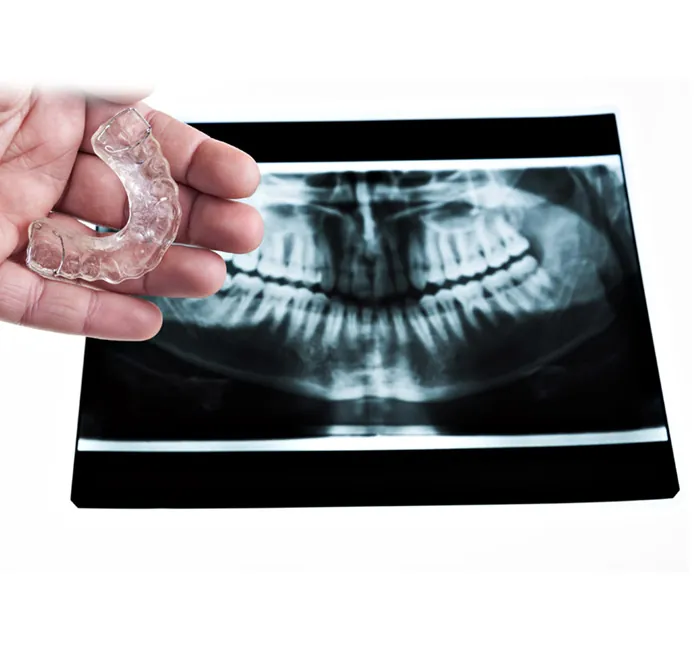
One of the most common approaches to managing sleep bruxism is a custom-fitted night splint (also called an occlusal guard). This is a dental appliance worn over the teeth during sleep that acts as a barrier between the upper and lower teeth, reducing wear and relieving pressure on the jaw joints. Unlike over-the-counter options, a custom splint is made from impressions of your teeth for a comfortable and precise fit.
Addressing Underlying Causes
Where possible, we work with you to identify and address factors that may be contributing to your bruxism. This may include discussing stress management strategies, reviewing lifestyle habits such as caffeine or alcohol intake, or recommending further assessment if a sleep disorder is suspected.
Repairing Damaged Teeth
If grinding has already caused wear, chips, or cracks, we can discuss options for restoring the affected teeth. Depending on the extent of the damage, this may involve fillings, crowns, or other restorative treatments to rebuild tooth structure and protect against further deterioration.
If you are experiencing jaw pain, worn teeth, or other signs of bruxism, contact Divine Dental Care in Croydon to arrange an assessment. Our team is here to help you protect your teeth and manage your symptoms.