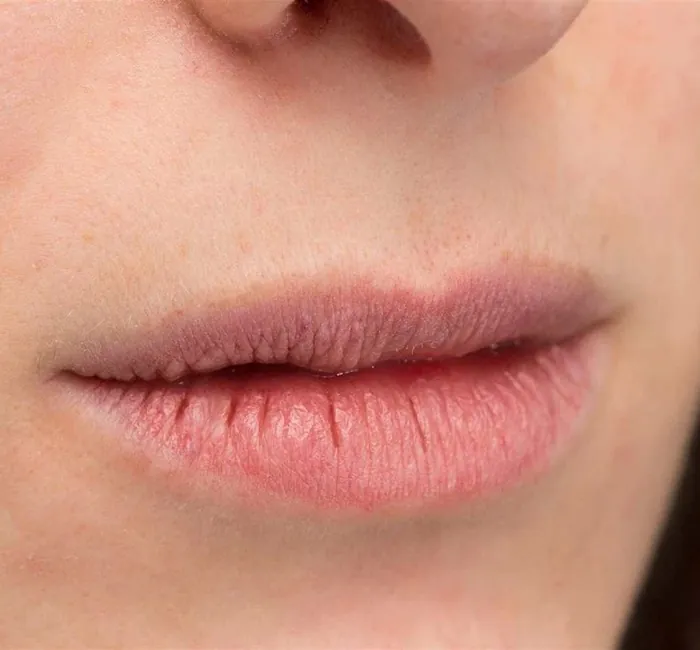
What is Dry Mouth?
Dry mouth, known clinically as xerostomia, occurs when the salivary glands do not produce enough saliva to keep the mouth adequately moist. While occasional dryness is common, persistent dry mouth can have a significant impact on oral health and daily comfort.
Saliva plays an important role in oral health. It helps neutralise acids produced by bacteria, washes away food particles, aids in digestion and helps protect tooth enamel. When saliva flow is reduced, the risk of dental problems can increase.
Common Causes of Dry Mouth
Dry mouth can result from a range of factors. Some of the more common causes include:
- Medications: hundreds of commonly prescribed and over-the-counter medications list dry mouth as a side effect, including antihistamines, decongestants, antidepressants, blood pressure medications and pain relievers
- Medical conditions: conditions such as Sjogren's syndrome, diabetes, rheumatoid arthritis, and autoimmune disorders can affect salivary gland function
- Cancer treatments: radiation therapy to the head and neck area can damage salivary glands, and chemotherapy may alter the amount and consistency of saliva produced
- Dehydration: insufficient fluid intake, excessive sweating, fever, vomiting or diarrhoea can reduce saliva production
- Mouth breathing: breathing through the mouth during sleep or due to nasal congestion can dry out oral tissues
- Nerve damage: injury or surgery involving nerves in the head and neck area can affect salivary gland function
- Lifestyle factors: smoking, alcohol consumption and caffeine intake can all contribute to reduced saliva flow
Effects on Oral Health
When dry mouth persists, it can contribute to a number of oral health concerns:
- Increased risk of tooth decay: without sufficient saliva to neutralise acids and wash away bacteria, cavities may develop more readily
- Gum disease: reduced saliva flow can allow bacterial plaque to accumulate more easily along the gumline
- Fungal infections: dry conditions in the mouth can encourage the growth of oral thrush (candidiasis)
- Difficulty chewing, swallowing or speaking: saliva is essential for comfortable eating and clear speech
- Bad breath: bacteria thrive in a dry oral environment, contributing to persistent halitosis
- Mouth sores and cracked lips: dry oral tissues are more susceptible to irritation and breakdown
Management Strategies
At Divine Dental Care in Croydon, we work with patients to manage dry mouth and reduce its impact on oral health. Strategies may include:
- Sipping water frequently throughout the day to keep the mouth moist
- Using sugar-free gum or lozenges to help stimulate saliva flow
- Saliva substitutes or oral moisturising gels for symptomatic relief
- Reviewing medications with your doctor to identify whether alternatives with fewer oral side effects may be available
- Avoiding caffeine, alcohol and tobacco, which can worsen dryness
- Using a humidifier at night if mouth breathing is contributing to symptoms
- More frequent dental check-ups and fluoride treatments to help protect teeth from decay
If you are experiencing persistent dry mouth, contact Divine Dental Care in Croydon to arrange an appointment. Early assessment can help manage symptoms and reduce the risk of associated dental problems.